You've finished your manuscript and are ready to publish it on Amazon KDP. To keep production costs down, you decide to handle the formatting yourself and download one of the Word templates provided by the platform. You insert your text, adjust the headings, and prepare the document for print.
At first glance, everything looks fine. However, producing a professional book involves much more than simply arranging text across a series of pages.
Word Is a Word Processor, Not a Professional Typesetting Tool
Microsoft Word is an excellent tool for writing and editing documents, but it was not designed to handle every typographic requirement of a published book. Amazon KDP's templates provide a useful starting point for setting up page sizes and margins, but they cannot replace the design and quality-control work required to achieve a professional result.
One issue is baseline alignment across facing pages, also known as type alignment or register. In printed books, maintaining consistent vertical text alignment helps create a balanced layout and prevents lines on the front and back of a sheet from appearing unevenly positioned. Word does not offer the same level of baseline-grid control available in professional layout software such as Adobe InDesign.
Widows and orphans also require attention. Word includes an option for controlling isolated lines at the top or bottom of a page, but its automatic handling does not guarantee that every page will look balanced. Correcting one issue may require adjustments to the text layout, and those changes can affect subsequent pages.
Recurring page elements present another challenge. Running headers, page numbers, and other repeated elements must remain consistent throughout the book. Word can handle these elements, but for more complex editorial projects, the master pages available in dedicated layout software offer greater flexibility and centralized control.
KDP Templates Do Not Guarantee Professional Results
Amazon provides tools to simplify the preparation of print books. However, meeting a platform's technical requirements does not necessarily mean achieving professional-quality typesetting.
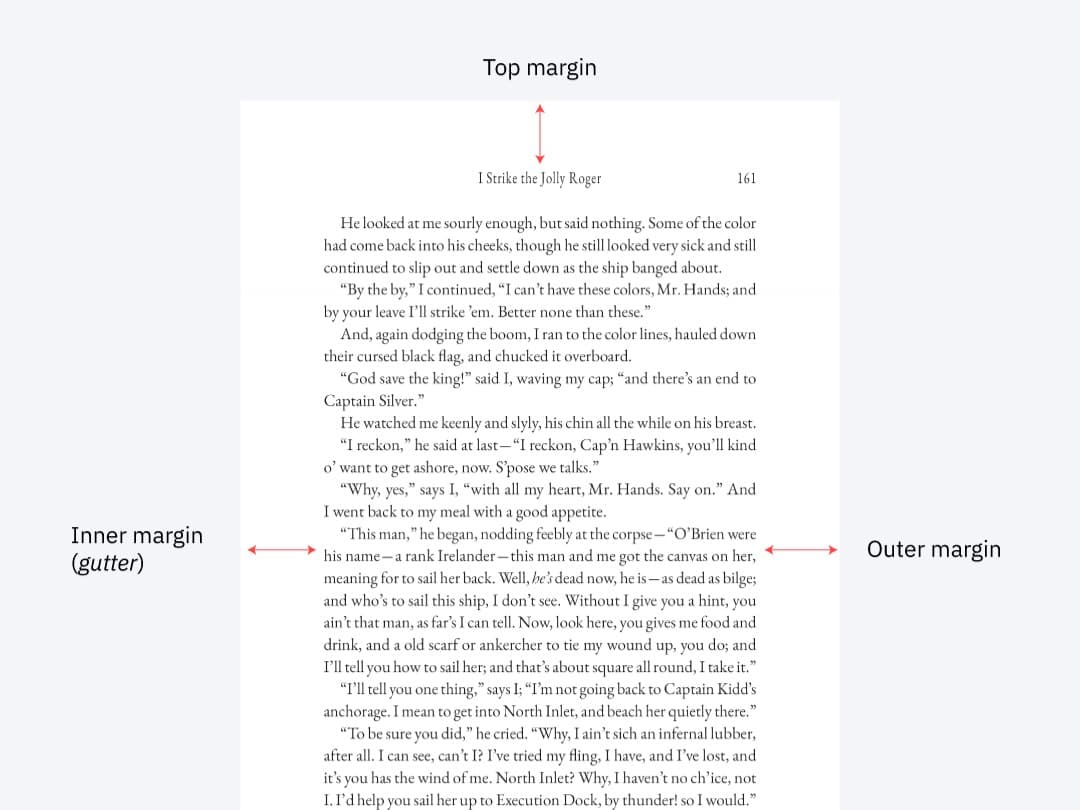
Margins, for example, must be appropriate for the book's trim size and page count, taking into account the space required for binding. Template settings should therefore be checked rather than accepted automatically, as they may not be suitable for every project.
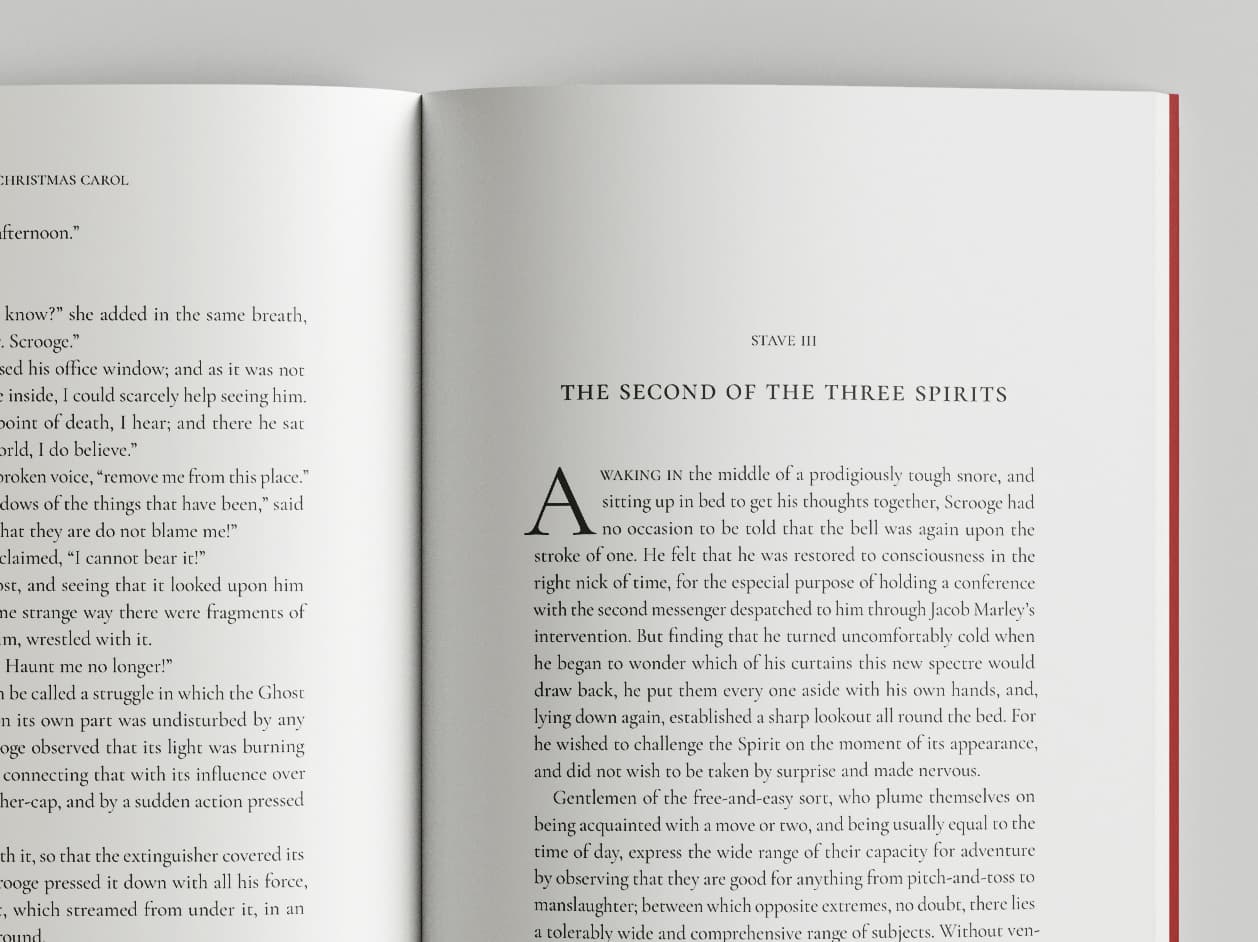
The same applies to text layout. Line length, line spacing, paragraph spacing, and page breaks all affect readability and the overall appearance of a book. A document can meet KDP's requirements while still containing unbalanced pages, excessive white space, or poorly executed typography.
These problems are not always apparent while editing the manuscript. They may become noticeable when the document is exported to PDF or when a printed proof is reviewed.
Why Hire a Professional Book Formatter?
A professional book formatter does more than transfer a manuscript into a different program. They assess the publication's requirements, choose appropriate typographic settings, and review the page layout to ensure a consistent result.
The goal is to produce a book that is readable, well-organized, and technically sound, with every element contributing to the quality of the finished product. Achieving this requires typographic knowledge, experience with professional layout tools, and attention to details that may be overlooked by someone who formats books only occasionally.
Using Word is not necessarily wrong. It can be sufficient for simple documents, and an experienced user may achieve good results with it. The problem arises when a ready-made template is assumed to guarantee professional editorial quality.
Publishing a book also means presenting it in the best possible way. Hiring a professional formatter allows authors to focus on writing while ensuring that the preparation of their book for print is handled with skill and attention to detail.